VR Game Development Company
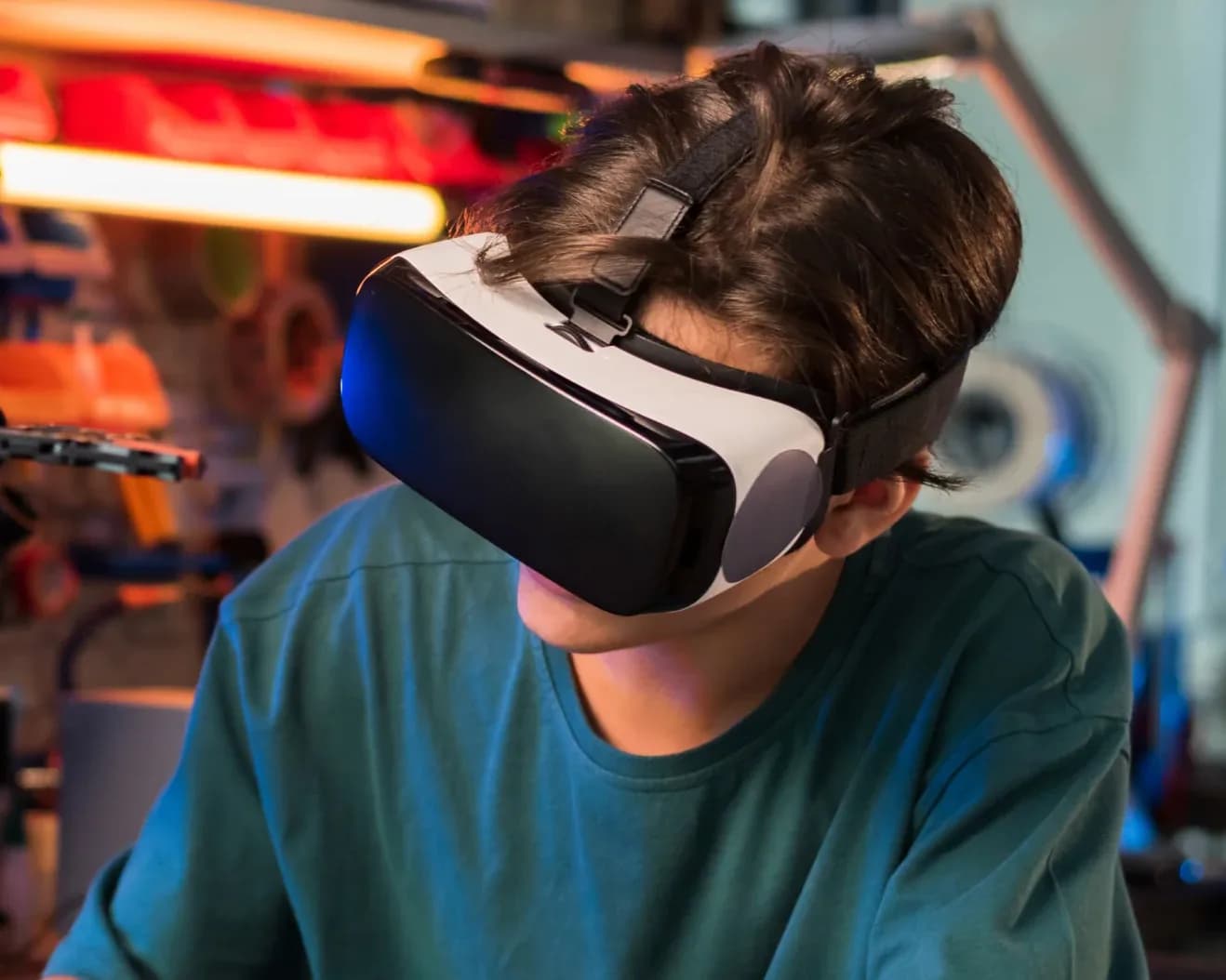
We design and build virtual reality games with realistic physics and polished UX, like Golfy VR, our VR golf game.
What a VR game project includes
We start with a playable prototype, so you can judge the core mechanic before full production.
Step 1: Design and prototype
Core loop, mechanics, controls and comfort settings in a playable build.
Step 2: 3D art and UX
Scenes, menus and interactions designed for a headset.
Step 3: Gameplay engineering
Physics, scoring, progression and the feel of every interaction.
Step 4: Back end and multiplayer
Accounts, leaderboards, lobbies and real-time sync when the game needs them.
Step 5: Device testing
Builds tested on the target headsets and tuned for a steady frame rate.
Step 6: Release and support
Store submission, updates and fixes after launch.
Related work
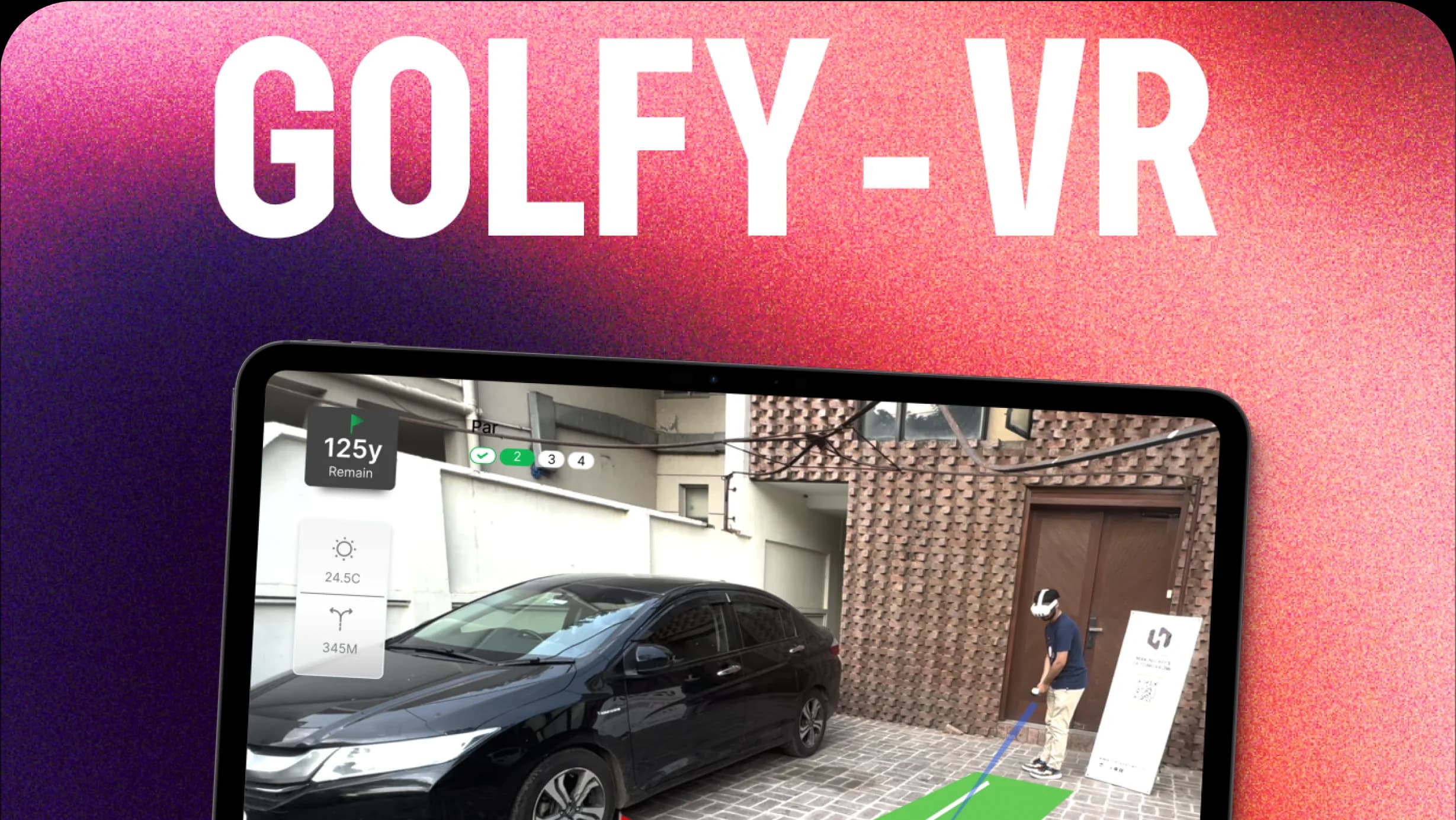
Case study
Golfy VR
A virtual reality golf game for realistic practice at home, with par, distance and wind readouts on every hole.
Read the Golfy VR case study
VR game development FAQs
How long does VR game development take?
It depends on scope. A playable prototype of the core mechanic comes first and shows whether the game is fun. Content, multiplayer and the number of target headsets drive the rest, planned in milestones.
Which VR headsets can you develop for?
We agree the target headsets at the start, standalone or PC-connected, and test builds on those devices throughout. Performance limits, input methods and store rules differ by platform, so the choice shapes the design.
Can you add multiplayer to a VR game?
Yes. It needs a back end for accounts and matchmaking, real-time state sync and code that hides network delay. We design it in early, because adding it to a finished single-player game means reworking much of its logic.
Tell us what you're building.
