MERN Stack Development Company
We build web apps on MongoDB, Express, React and Node.js, from four-week MVPs to SaaS platforms, with one JavaScript team.


What we build with MERN
SaaS platforms
Multi-user products with roles, reporting and admin tools.
Real-time apps
Chat, notifications and live views where updates reach users as they happen.
MVPs
A working product in weeks, through our MVP development services.
Extensions with a back end
Browser extensions paired with a MERN back end, like Zero Cheating.
When MERN is the right choice
MERN fits many products, but not all. These are the signs it fits yours.
Your data is document-shaped
Records that change shape as the product evolves suit MongoDB.
Real-time features matter
Node.js handles many open connections well.
One team owns features
JavaScript runs from the database query to the screen.
Speed to market counts
A small MERN team can ship an MVP quickly.
Built with MERN
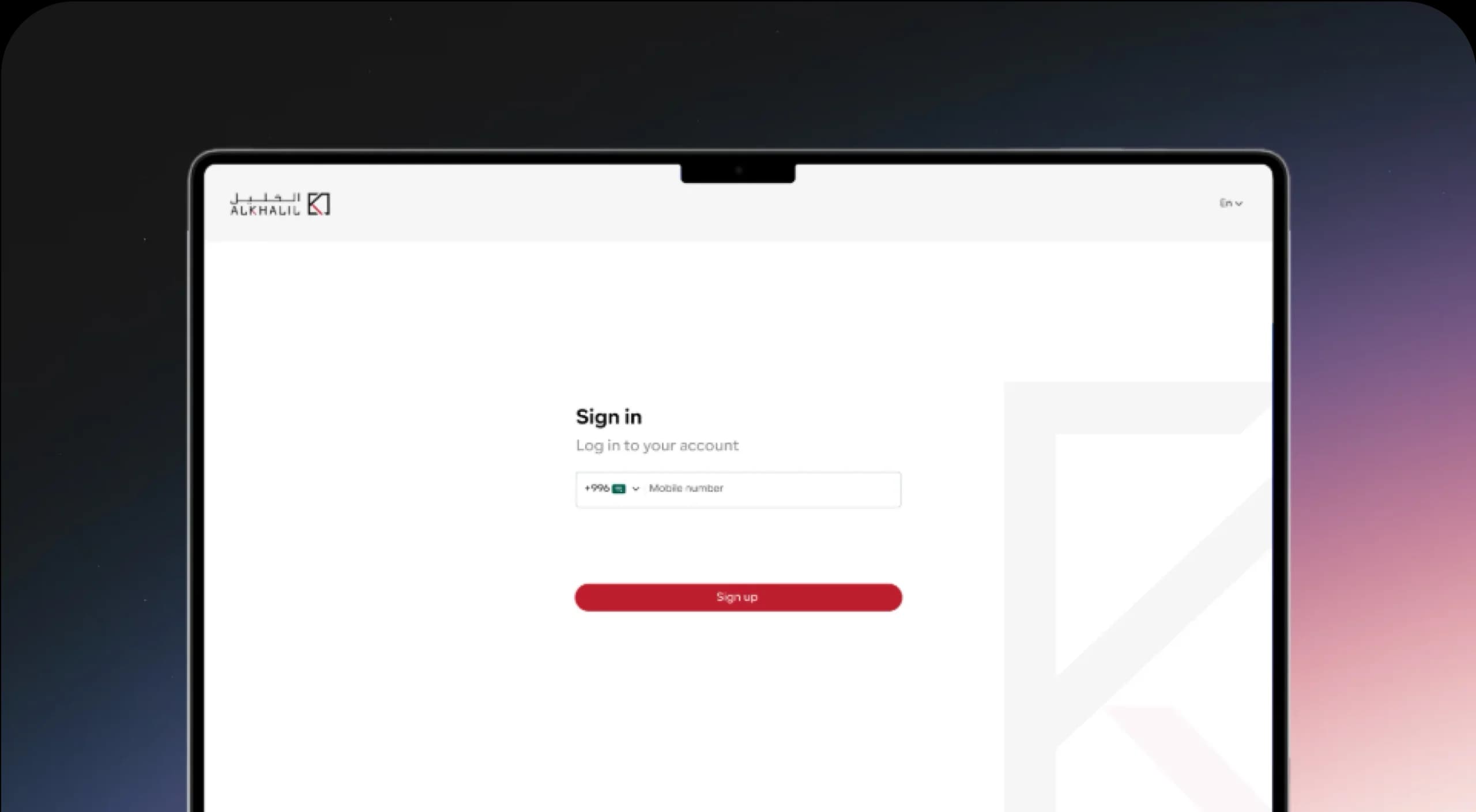
Case study
Customer Support Chat App
A WhatsApp-style support chat built on MERN for speed, live as an MVP in four weeks with hourly schedules and special-day calendars.
- MongoDB
- Express.js
- React
- Node.js

Case study
Hiring Hash
A skill assessment SaaS built entirely on MERN: role-specific tests, one-click screening and a recruiter dashboard.
- MongoDB
- Express.js
- React
- Node.js
MERN stack development FAQs
What is the MERN stack?
MongoDB for the database, Express for the API, React for the interface and Node.js to run the server. JavaScript runs in every layer, so one team can own a whole feature.
What is the difference between MERN and MEAN?
Only the front end. MERN uses React and MEAN uses Angular; both share MongoDB, Express and Node.js. We work with both and recommend one based on your team and product.
Can MERN applications scale?
Yes. Node.js services scale out behind a load balancer, MongoDB scales with replica sets and sharding, and React front ends are served from a CDN. Most bottlenecks are missing indexes or caching, which we design for.
Tell us what you're building.
